

Our
Recommendations
Recommended Reading:
Explore our curated selection of books that our registered dietitians recommend. These books cover topics such as intuitive eating, eating disorder recovery, nutrition science, diet culture and more. Whether you're looking to deepen your understanding or support your wellness journey, you can find our top recommendations in our Amazon storefront.
Media Recs etc:
Seeking to expand your knowledge and nurture your well-being with additional resources? The team at Kayla Jessop Media has thoughtfully compiled a list of media recommendations. This collection features engaging podcasts, supportive audio content, and various other enriching materials you can readily access. Remember, while these suggestions offer potential benefit, they are general educational support, so integrate new information thoughtfully into your personal health and wellness approach.
Supplements etc:
If you are working with one of our registered dietitians and they have recommended a specific vitamin, mineral, or other dietary supplement, you can conveniently find those options in our Amazon storefront. Please note that these recommendations are personalized based on individual needs, and we strongly encourage you to consult with your healthcare provider before starting any new supplement.

Sick Enough - Jennifer l. Gaudiani
Many with eating disorders feel "not sick enough" for help. Sick Enough validates their experiences, explains the real medical issues involved, and motivates recovery for individuals of all sizes, while challenging diet culture.

More than a Body: Your Body is an Instrument, Not an Ornament -Lexie Kite
Positive body image isn't about looks, it's knowing your body is good. More Than a Body by twin sisters and PhDs offers a research-backed action plan to reconnect with your whole self, resist self-objectification, and build lasting body image resilience.

IAnti-Diet: Reclaim Your Time, Money, Well-Being, and Happiness Through Intuitive Eating - Christy Harrison
Tired of dieting? Anti-Diet by a registered dietitian exposes our toxic diet culture – a system equating thinness with health and virtue – and offers groundbreaking strategies to reclaim your time, money, health, and happiness

Body Respect: What Conventional health Books Get wrong, Leave out, and Just plain Fail at understanding about weight
Mainstream health science has failed us. Body Respect debunks common weight myths, like the BMI's accuracy and fatness as a death sentence, and reveals how societal stigma and inequality truly impact our health and well-being.

Body Kindness - Rebecca Scritchfield
Imagine your happiness and body image lines intersecting. Body Kindness offers practical ways to achieve this healthier, happier life by replacing shame with self-compassion and focusing on love, connection, and self-care (mind and body).

Radically Open DBT Workbook for Eating Disorders: From Overcontrol & Loneliness to Recovery & Connection - Karyn D. Hall
Been in eating disorder therapy? This groundbreaking workbook, based on RO DBT, addresses emotional overcontrol – a common issue – offering skills to build support, connect with others, and create a personalized recovery path.

Official Workbook for more than a body:Daily Practices for Building Body Image Resilience In a look-Obsessed world
IBuilding body image resilience is ongoing, not a quick fix. The Official Workbook for More Than a Body offers practical, compassionate strategies and skill-building challenges over six weeks to help you reconnect with your whole self and resist body shame.

The Intuitive Eating Workbook for Teens: A Non-Diet, Body Positive Approach to Building a Healthy Relationship with food
Discover a healthy, non-diet approach to eating! This workbook for teens applies the principles of Intuitive Eating to help you listen to your body's hunger and fullness cues, find satisfaction, and cultivate body positivity.
Eating in the Light of the Moon
By weaving practical insights and exercises through a rich tapestry of multicultural myths, ancient legends, and folktales, Anita Johnston helps the millions of women preoccupied with their weight discover and address the issues behind their negative attitudes toward food.
Fat Talk: Parenting in the Age of Diet Culture
Kids learn, as we’ve all learned, that thinness is a survival strategy in a world that equates body size and value. Parents worry if their kids care too much about being thin, but even more about the consequences if they aren’t. And multibillion-dollar industries thrive on this fear of fatness.
Anorexia and other Eating Disorders
The most effective treatment for eating disorders is family-based, where parents play an essential role. Yet most struggle to know what to do and how to do it.

You Just Need to Lose Weight": And 19 Other Myths About Fat People (Myths Made in America)
The pushback that shows up in conversations about fat justice takes exceedingly predicable form. Losing weight is easy—calories in, calories out. Fat people are unhealthy. We’re in the midst of an obesity epidemic.
How to Nourish Your Child Through an Eating Disorder
Parents are the first to know when their child starts behaving differently. Has your son stopped eating his favorite food, or does he refuse to eat out with friends? Has your daughter drastically increased her exercise regimen, or become obsessed with health foods? These are among the telltale signs that your child, like millions of others, may have an eating disorder (ED).

Fearing the Black Body: The Racial Origins of Fat Phobia
There is an obesity epidemic in this country and poor Black women are particularly stigmatized as “diseased” and a burden on the public health care system. This is only the most recent incarnation of the fear of fat Black women, which Sabrina Strings shows took root more than two hundred years ago.

Bridge the Food Gap
Bridge the Food Gap: An ARFID Recovery Workbook presents an integrative approach to ARFID recovery. It is an essential tool in bridging gaps between kids with ARFID and their parents, adults with ARFID and their loved ones, individuals with ARFID and themselves, and those with ARFID and their treatment teams.

The Body Is Not an Apology, Second Edition: The Power of Radical Self-Love
Humans are a varied and divergent bunch with all manner of beliefs, morals, and bodies. Systems of oppression thrive off our inability to make peace with difference and injure the relationship we have with our own bodies.
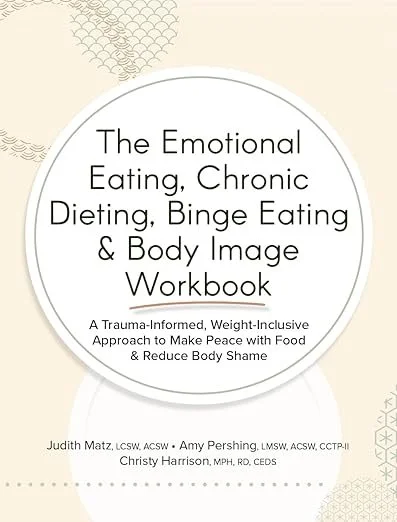
The Emotional Eating, Chronic Dieting, Binge Eating & Body Image Workbook
You didn’t fail your diet. Your diet failed YOU.
In a society where thinness is a measure of worthiness, it’s no wonder the multibillion-dollar weight-loss industry continues to flourish while its loyal, repeat customers continue to suffer in shame. After all, we’ve been led to believe that it’s our fault we can’t succeed at the latest diet, control our eating, or mold our bodies to the “correct” size and shape.

Health At Every Size: The Surprising Truth About Your Weight
Fat isn't the problem. Dieting is the problem. A society that rejects anyone whose body shape or size doesn't match an impossible ideal is the problem. A medical establishment that equates "thin" with "healthy" is the problem.
The solution?
Health at Every Size.
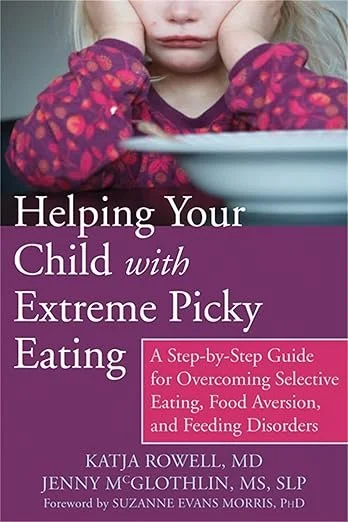
Helping Your Child with Extreme Picky Eating: A Step-by-Step Guide for Overcoming Selective Eating, Food Aversion, and Feeding Disorders
In Helping Your Child with Extreme Picky Eating, a family doctor specializing in childhood feeding joins forces with a speech pathologist to help you support your child’s nutrition, healthy growth, and end meal-time anxiety (for your child and you) once and for all.

Conquer Picky Eating for Teens and Adults: Activities and Strategies for Selective Eaters
Reclaim your place at the table—and restore your health and wellbeing.“These wise authors cover everything from the mechanics of trying/learning to like new foods to recovering from the shame of not being adventurous with eating.
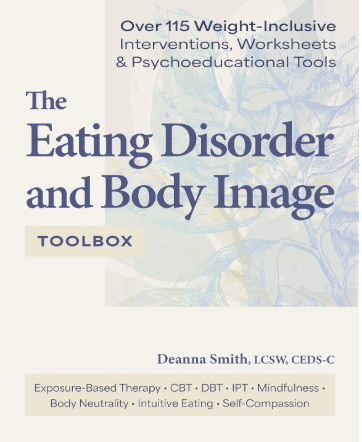
The Eating Disorder & Body Image Toolbox
Food and body image issues show up in therapy all the time—so why are effective tools so hard to find?
The Eating Disorder and Body Image Toolboxchanges that. Designed for both new and seasoned clinicians, this hands-on guide is packed with practical, evidence-based interventions you can use right away.
Inside, you’ll find over 100 weight-inclusive, ready-to-use interventions grounded in CBT, DBT, and exposure therapy that target a wide range of concerns.
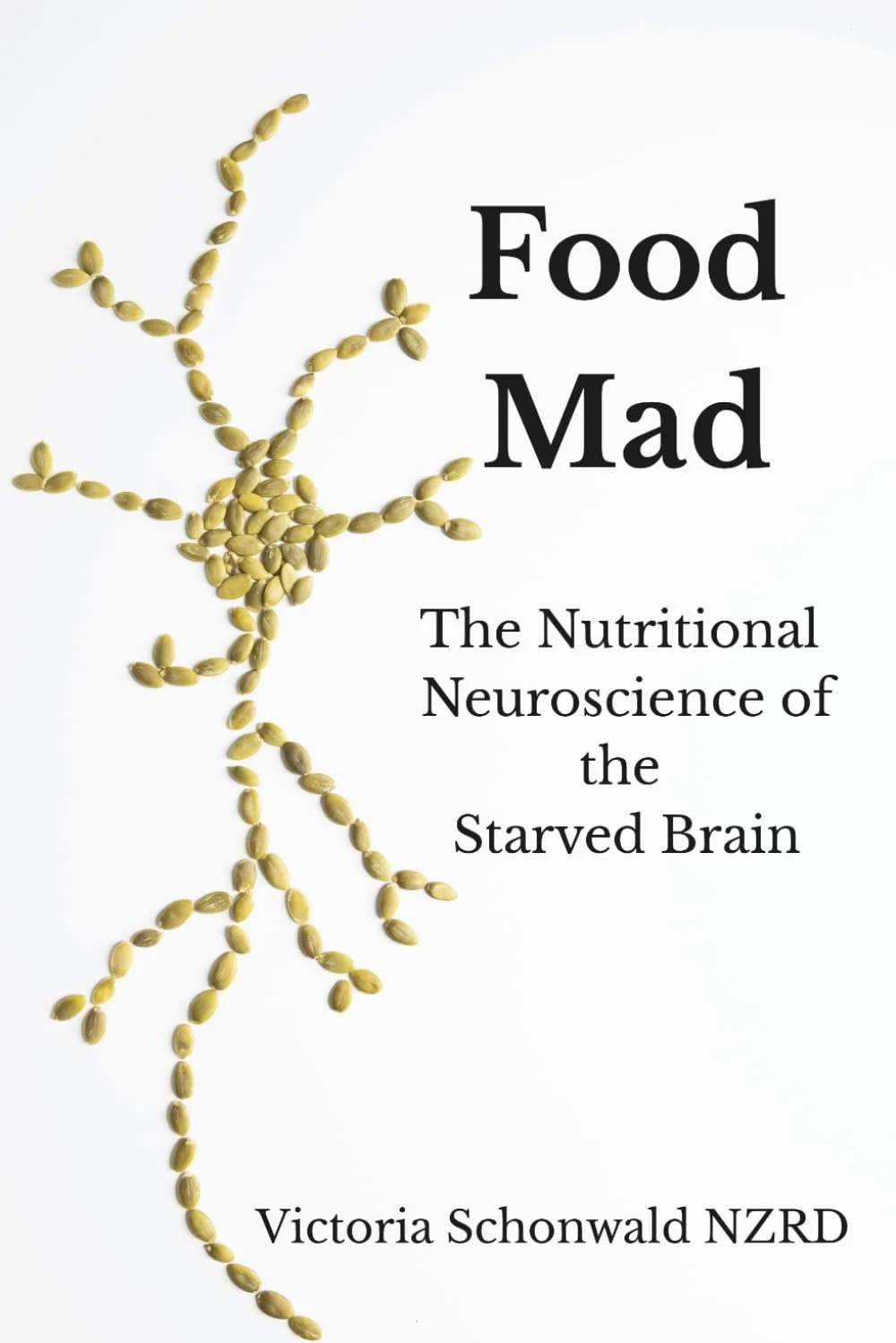
Food Mad, Neuroscience of the Starved Brain
In Food Mad, dietitian Victoria Schonwald reframes eating disorders through a nutritional neurobiology lens, showing how under-nutrition alters brain function in ways that make fear louder, thinking narrower, and recovery feel impossible, even when someone “knows better.”
This book explains why logic, reassurance, and motivation frequently fail in eating disorders, and why a brain that is not adequately nourished cannot generate flexible thinking, emotional regulation, or meaningful consent.
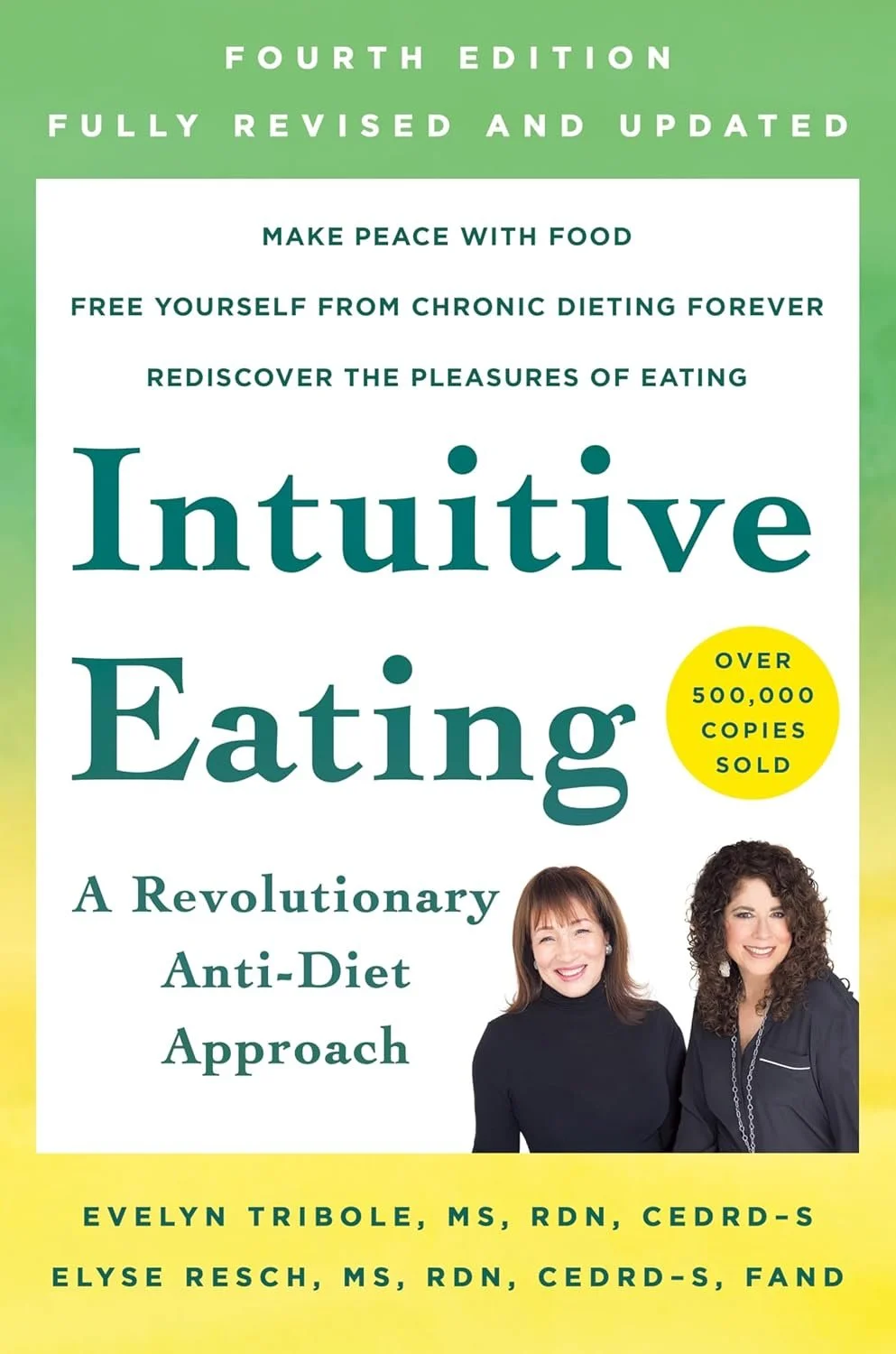
Intuitive Eating, Anti-Diet Approach
Make peace with food.
Free yourself from chronic dieting forever.
Rediscover the pleasures of eating.
The go-to resource––now fully revised and updated––for building a healthy body image and making peace with food, once and for all.
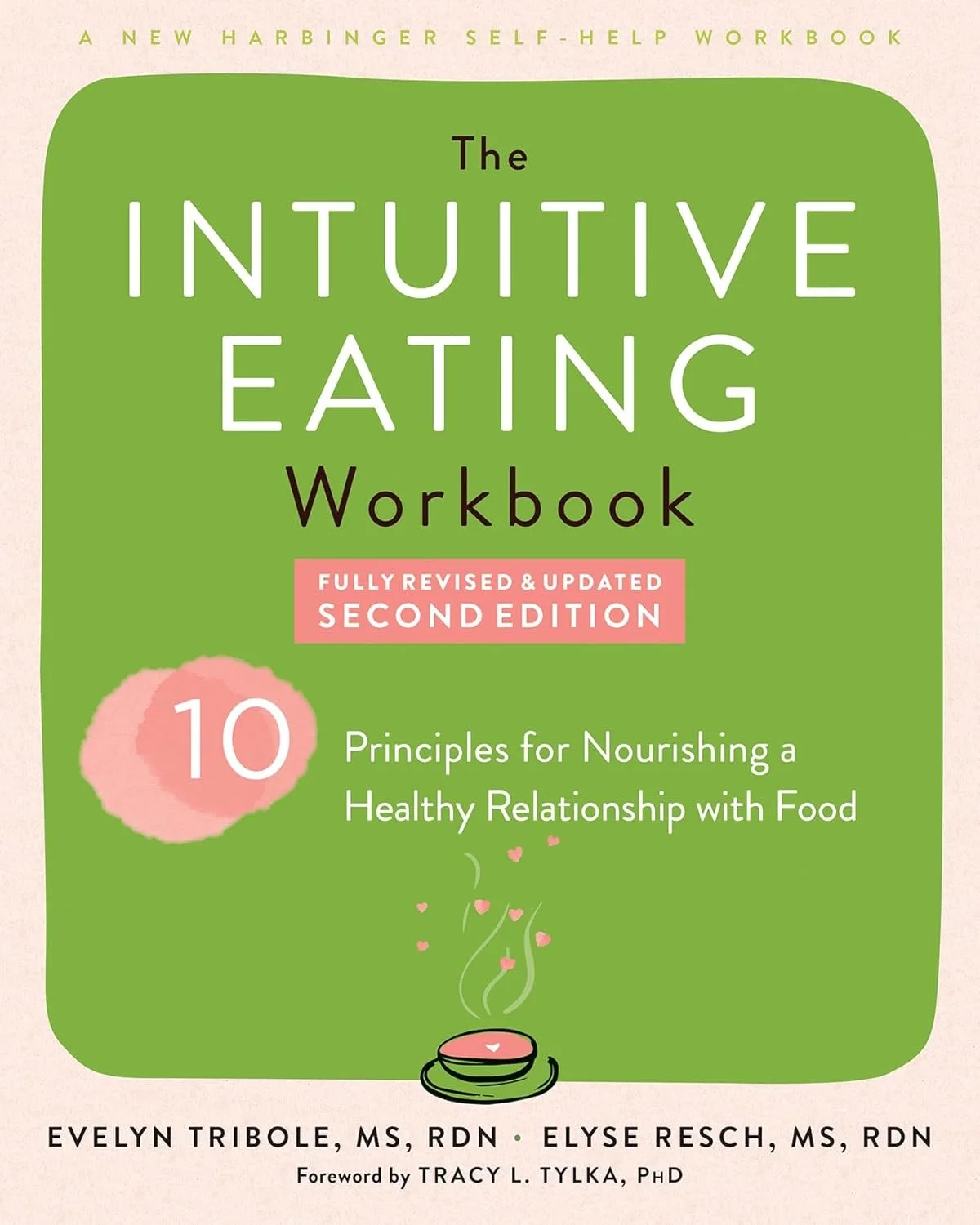
The Intuitive Eating Workbook
In this updated edition you will find a comprehensive, evidence-based approach to help you move beyond diet culture, cultivate and honor your hunger and fullness cues, and truly enjoy food again. Based on the ten principles of Intuitive Eating, this workbook encourages you to trust your inner wisdom about eating and develop a healthy relationship with food, mind, and body.

The F*ck It Diet, Eating Should Be Easy
In The F*ck It Diet, Caroline Dooner tackles the inherent flaws of dieting and diet culture, and offers readers a counterintuitively simple path to healing their physical, emotional, and mental relationship with food. What’s the secret anti-diet? Eat. Whatever you want. Honor your appetite and listen to your hunger. Trust that your body knows what it is doing. Oh, and don’t forget to rest, breathe, and be kind to yourself while you’re at it. Once you get yourself out of survival mode, it will become easier and easier to eat what your body really needs―a healthier relationship with food ultimately leads to a healthier you.
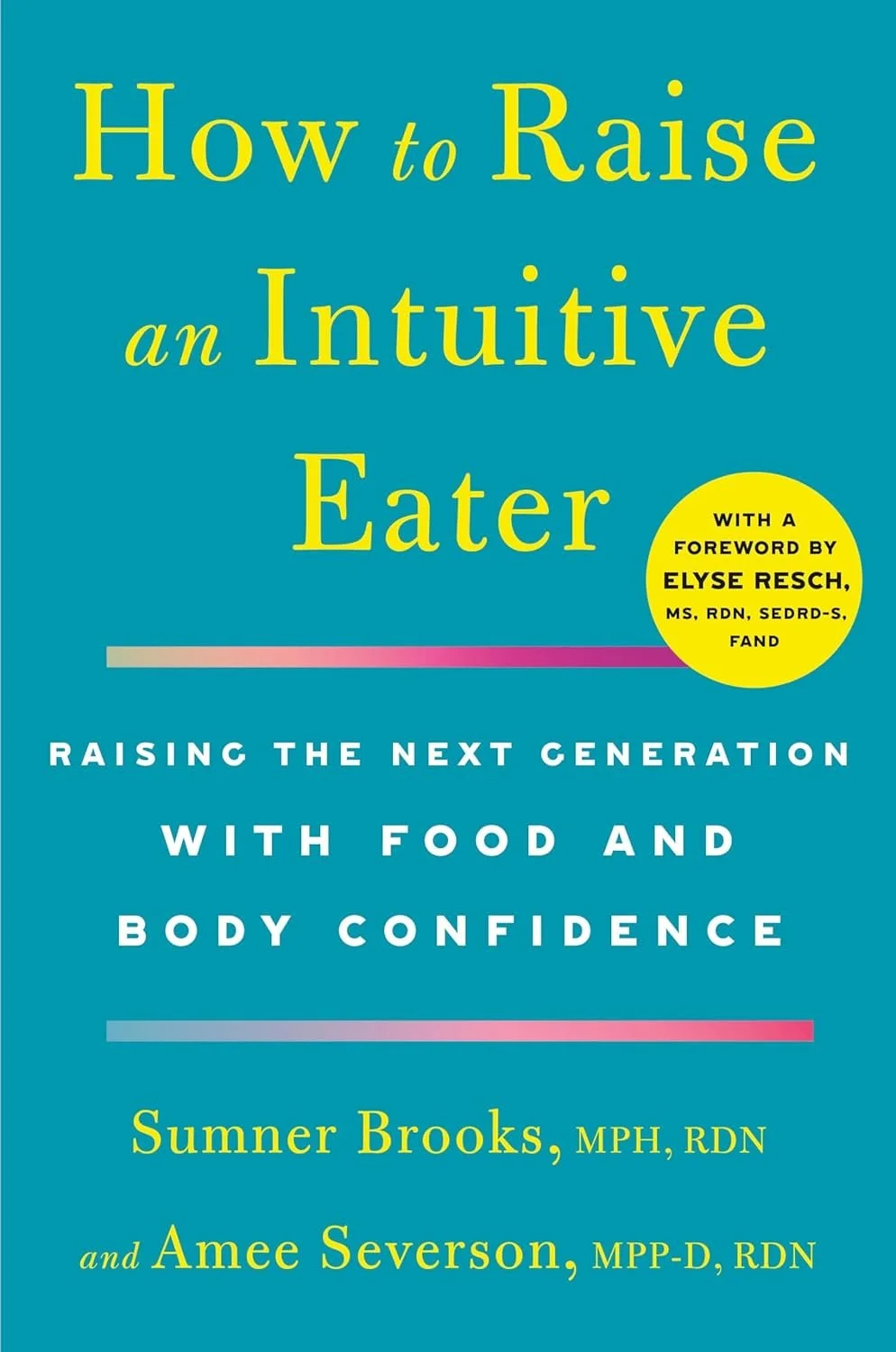
How to Raise an Intuitive Eater
Kids are born intuitive eaters. Well-meaning parents, influenced by the diet culture that surrounds us all, are often concerned about how to best feed their children. Nearly everyone is talking about what to do about the childhood obesity epidemic. Meanwhile, every proposed solution for how to feed kids to promote health and prevent weight-related health concerns don’t mention the importance of one thing: a healthy relationship with food.
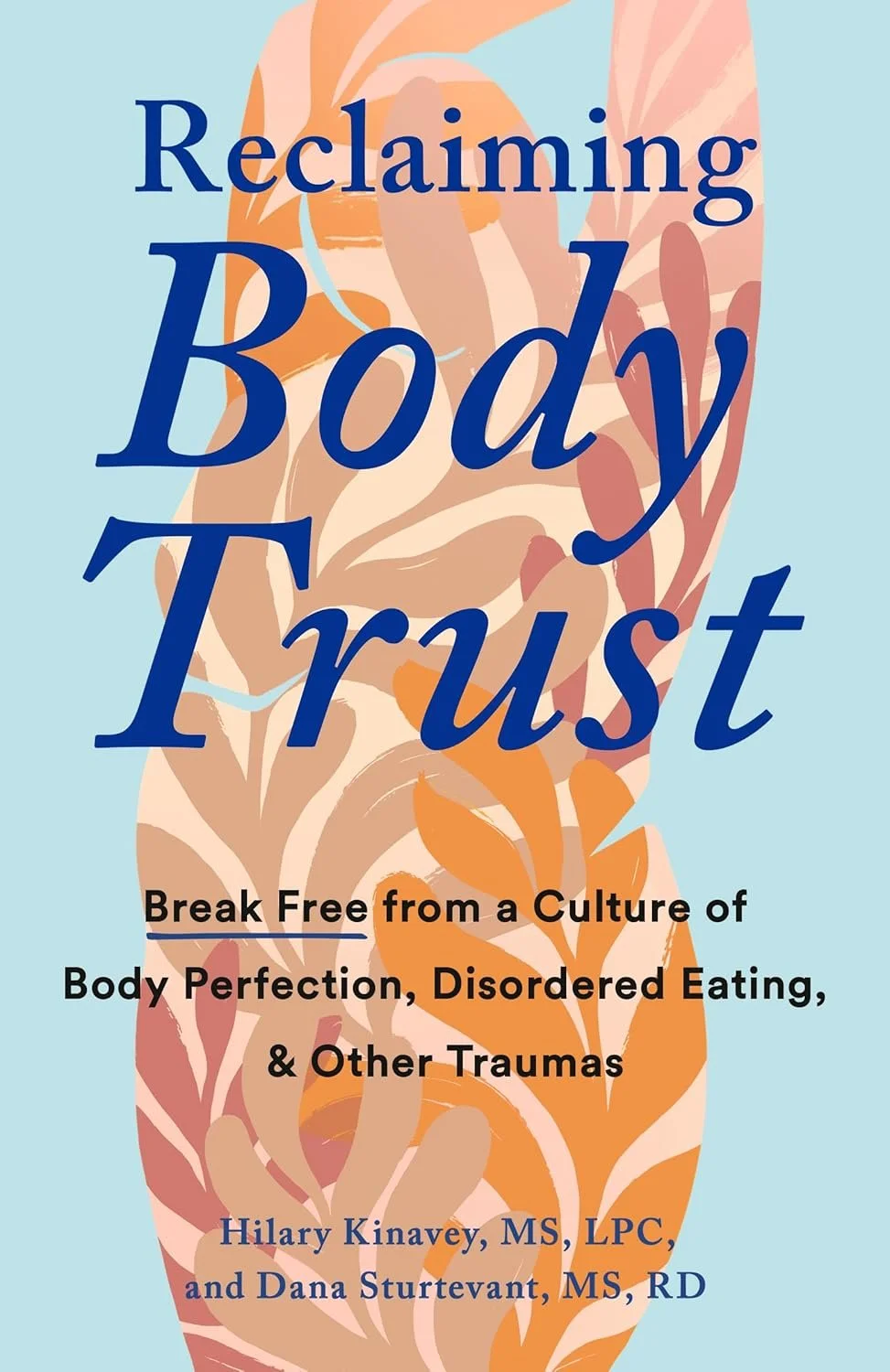
Reclaim Body Trust: A Path To Healing & Liberation
Informed by the personal body stories of the hundreds of people they have worked with, Reclaiming Body Trust delineates an intersectional, social justice−orientated path to healing in three phases: The Rupture, The Reckoning, and The Reclamation. Throughout, readers will be anchored by the authors’ innovative and revolutionary Body Trust framework to discover a pathway out of a rigid, mechanistic way of thinking about the body and into a more authentic, sustainable way to occupy and nurture our bodies.
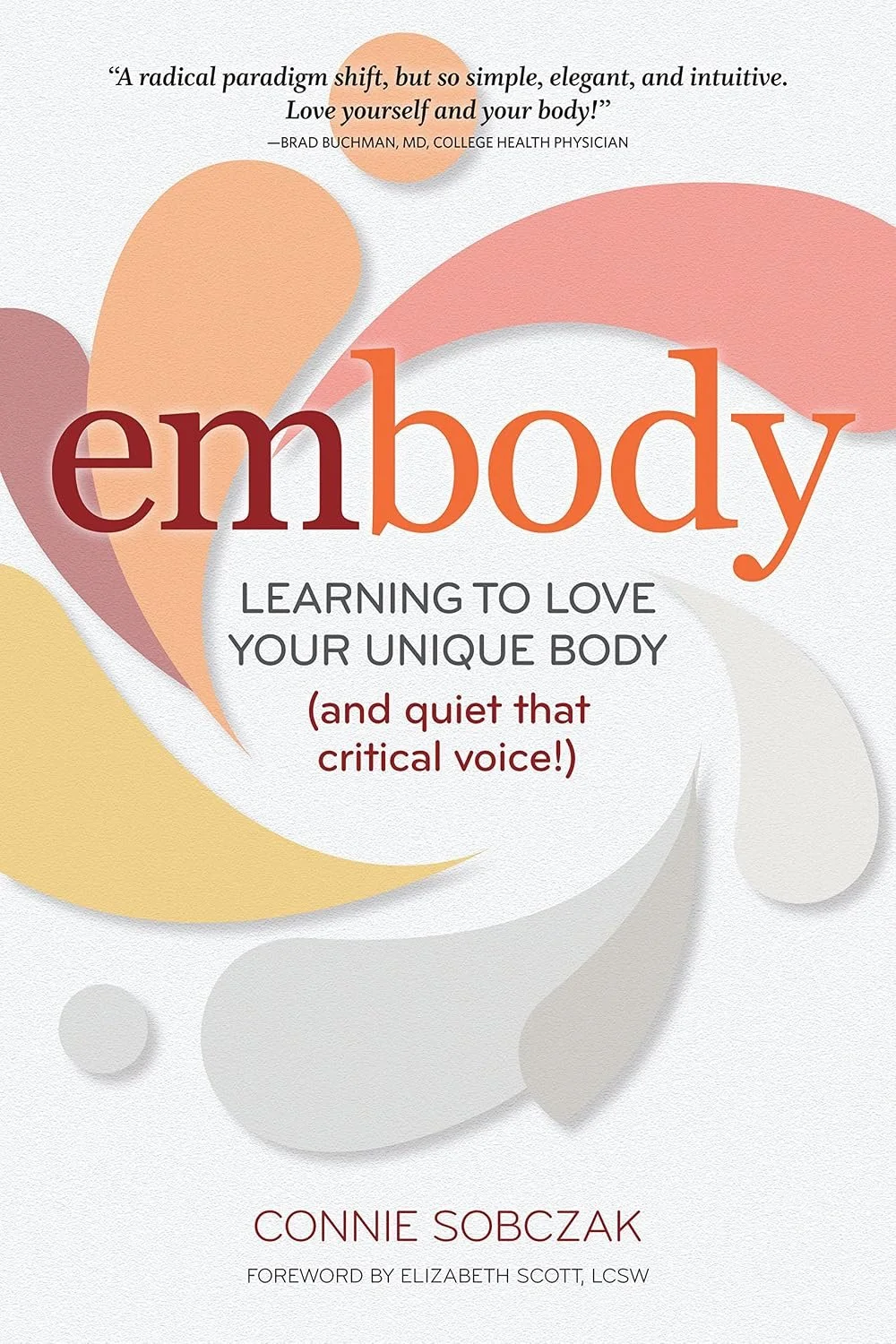
Embody, Learning to Love your Unique Body
This book’s message is rooted in the philosophy that people inherently possess the wisdom necessary to make healthy choices and to live in balance. It emphasizes that self-love, acceptance of genetic diversity in body size, celebration of the unique beauty of every individual, and intuitive self-care are fundamental to achieving good physical and emotional health. It encourages readers to shift their focus away from ineffective, harmful weight-loss efforts towards improving and sustaining positive self-care behaviors. Initial research indicates that this work significantly improves people’s ability to regulate eating, decreases depression and anxiety, and increases self-esteemall critical resources that promote resiliency against eating and body image problems.